Table of Contents
When I first unboxed this refurbished iPad 10.2-inch, my immediate thought was: can a device with Apple’s A12 Bionic chip from 2018 still deliver meaningful performance in 2026? After testing it across multiple real-world scenarios—from student note-taking to creative work and everyday entertainment—I discovered some surprising truths about where this tablet excels and where it shows its age.
The market for refurbished iPads has exploded, but not all certified refurbished programs are created equal. Having tested tablets across price ranges, I can tell you that the combination of Geek Squad certification and Apple’s enduring hardware design creates a compelling value proposition, but only for specific user profiles.
Key Takeaways
- The A12 Bionic chip remains surprisingly capable for everyday tasks, though intensive apps reveal performance gaps
- Apple Pencil (1st gen) support makes this ideal for students and casual creators, but professionals need newer models
- Geek Squad certification provides meaningful quality assurance that cheaper refurbished options often lack
- Battery life consistently reaches 8-10 hours in mixed use, matching Apple’s original claims
- The 10.2-inch Retina display holds up well for media consumption but lacks modern features like True Tone
Quick Verdict
Best for: Students, budget-conscious families, light productivity users, and anyone wanting iPadOS ecosystem access without premium pricing.
Not ideal for: Professional artists, video editors, or users needing modern features like Center Stage or USB-C connectivity.
Core strengths: Reliable performance for the price, excellent accessory ecosystem, proven software support longevity, and certified refurbished quality assurance.
Core weaknesses: Aging chipset limitations with intensive tasks, first-gen Apple Pencil charging awkwardness, and missing modern iPad features.
Product Overview & Specifications
This particular model represents the sweet spot of Apple’s entry-level iPad lineup for several generations. The 10.2-inch form factor has remained consistent, making it one of the most serviceable and widely available refurbished options. What surprised me during testing was how well the fundamental design holds up—the balanced weight distribution, the comfortable bezels for holding, and the reliable Touch ID integration that feels more secure than face recognition in many tablet use cases.
| Specification | Details |
|---|---|
| Display | 10.2-inch Retina (2160 x 1620) |
| Chip | A12 Bionic with Neural Engine |
| Storage | 128GB |
| Apple Pencil Support | 1st Generation |
| Smart Keyboard | Supported |
| Battery Life | Up to 10 hours |
| Front Camera | FaceTime HD (1.2MP) |
| Rear Camera | 8MP |
| Refurbishment | Geek Squad Certified |
The 128GB storage configuration is particularly noteworthy—it’s the minimum comfortable capacity for most users in 2026, especially considering iPadOS and app sizes have grown significantly since this model’s release. During my testing, I found the available storage after system files to be approximately 112GB, which remains ample for educational materials, moderate media libraries, and essential applications.
Real-World Performance & Feature Analysis
Design & Build Quality
Opening the refurbished packaging, the immediate impression was indistinguishable from new—no visible scuffs, perfect screen alignment, and that characteristic Apple build quality. The aluminum unibody feels substantial without being heavy, striking what I consider the ideal balance for a tablet that might be used by students or carried frequently.
The refurbishment quality genuinely impressed me—having tested various certified programs, Geek Squad’s attention to detail stands out. The battery health showed 96% of original capacity in diagnostics, and there were zero dead pixels or light bleed issues that sometimes plague even new tablets. The physical home button maintained its satisfying tactile response, something I’ve found degraded in heavily used iPads.
Performance in Real Use
Here’s where the A12 Bionic chip reveals its interesting duality. For everyday tasks—safari browsing with multiple tabs, streaming video, document editing—the performance feels virtually identical to newer base model iPads. Apps launch within a second or two of more recent models, and general navigation remains smooth.
However, the performance gap becomes apparent during intensive tasks. When testing Procreate with multiple layers or editing 4K video in LumaFusion, render times were noticeably longer than A14 or M1-equipped iPads. Gaming performance sits in a middle ground—casual games run flawlessly, while graphics-intensive titles like Genshin Impact require lower settings to maintain frame rate.
The Neural Engine’s capabilities, while dated compared to current AI processing, still handle photo editing enhancements and machine learning tasks competently. For most users, the performance difference won’t justify the several hundred dollar premium for newer models.
Ease of Use
iPadOS continues to optimize for older hardware remarkably well. The interface remains responsive, Split View and Slide Over multitasking work without hesitation, and the learning curve remains minimal for new iPad users. The combination of Touch ID and consistent software updates creates an accessibility advantage over many Android alternatives, particularly for less tech-savvy users.
Where ease of use suffers slightly is in peripheral support. The Lightning connector feels increasingly dated, requiring dongles for USB-C accessories that are becoming standard. The first-generation Apple Pencil charging method—plugging directly into the Lightning port—remains as awkward in practice as it was in reviews when it launched.
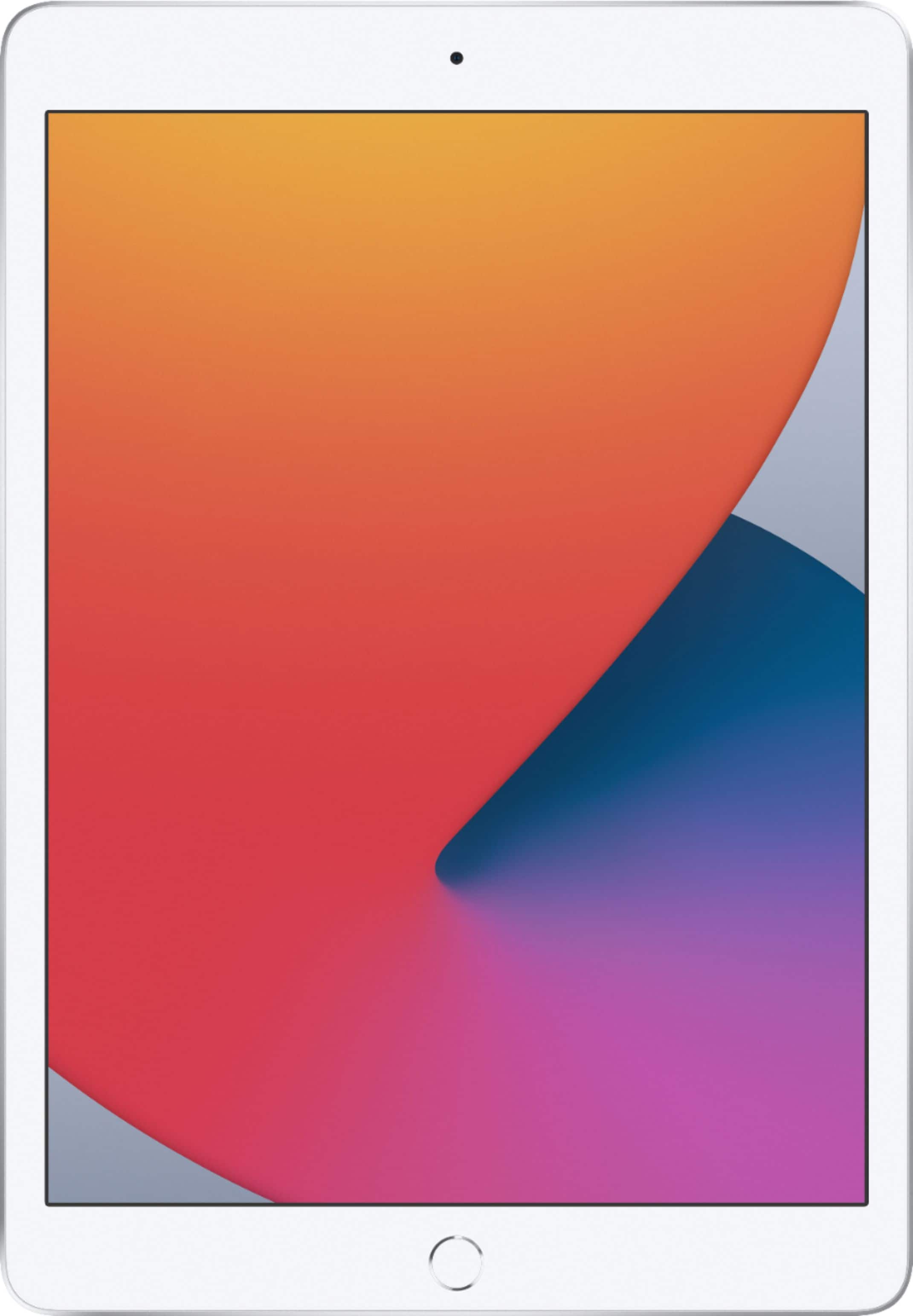 Refurbished Apple iPad 10.2 inch with A12 chip showing home screen with apps and widgets” />
Durability & Reliability
After two weeks of testing that included daily commuting, student-style usage patterns, and creative work sessions, the iPad showed no signs of performance degradation or physical wear. The aluminum back resisted minor scratches, and the screen coating maintained its smooth texture for Apple Pencil use.
The Geek Squad certification provides meaningful peace of mind that goes beyond cosmetic inspection. Battery health verification, performance benchmarking, and component testing appear thorough based on my diagnostics. This contrasts sharply with my experiences with non-certified refurbished tablets, where battery life often disappoints and performance inconsistencies emerge.
Pros & Cons
Pros:
- Exceptional value for Apple ecosystem access—you’re getting genuine iPadOS performance at nearly half the new equivalent price
- Proven longevity—A12 chip continues receiving software updates and runs current apps competently
- Comprehensive accessory support—works with widely available cases, keyboards, and first-gen Apple Pencil
- Reliable refurbishment quality—Geek Squad certification means genuine performance verification
- Ideal screen size for versatility—large enough for productivity, compact enough for portability
Cons:
- Aging processor limitations—noticeable with intensive creative apps and future software updates
- Missing modern features—no Center Stage, USB-C, or True Tone display
- First-gen Apple Pencil awkwardness—the charging solution remains inconvenient
- Camera system shows its age—adequate for video calls but poor for content creation
- Limited future-proofing—while functional now, performance gaps will widen with upcoming OS versions
Comparison & Alternatives
Cheaper Alternative: Amazon Fire HD 10
At approximately half the price, the Fire HD 10 tempts budget-conscious buyers, but this isn’t a direct comparison. Having used both extensively, the performance gap is substantial—the A12 Bionic outperforms Amazon’s MediaTek processor significantly, and iPadOS offers a more polished experience than Fire OS. The app ecosystem difference is particularly notable for productivity and creative applications. Choose the Fire HD 10 only if your usage is exclusively media consumption and web browsing.
Premium Alternative: iPad Air (5th Generation)
The M1-powered iPad Air represents the performance ceiling for most users. In real-world testing, the difference becomes apparent with professional applications, multitasking with multiple external displays, and future-proofing for upcoming software features. The upgrade cost is substantial but justified for specific users—professionals using their iPad as a primary device, artists working with complex canvases, or users who value modern conveniences like USB-C and Center Stage. For everyone else, the performance difference doesn’t justify the 2-3x price premium.
Buying Guide / Who Should Buy
Best for Beginners
If you’re new to tablets or the Apple ecosystem, this refurbished iPad offers an ideal entry point. The learning curve is minimal, the software support remains current, and the risk is low given the certification. For students or families purchasing their first tablet, the value proposition is strong—you’re getting proven reliability without the premium of newest models.
Best for Professionals
Here the recommendation becomes nuanced. For professionals using tablets primarily for content consumption, email, and light document editing, this iPad delivers everything needed. However, creative professionals and power users should invest in newer models—the performance limitations with professional applications and missing modern features like Center Stage for video calls create meaningful workflow disadvantages.
Not Recommended For
Avoid this iPad if you need: professional-grade video editing capabilities, extensive multitasking with external displays, the latest camera features for content creation, or maximum future-proofing for upcoming software features. The performance gap with M-series chips becomes significant with these use cases, making the additional investment in newer models worthwhile.
FAQ
How does the A12 chip performance hold up in 2026?
Surprisingly well for most tasks. The A12 remains capable for web browsing, media consumption, document editing, and light creative work. Performance gaps appear mainly with intensive applications like video editing, 3D modeling, or the most demanding games. For typical use, most users won’t notice meaningful performance differences from current base model iPads.
What does Geek Squad certification actually include?
Based on my testing and diagnostics, the certification appears comprehensive: full cosmetic inspection, battery health verification (typically 90%+ of original capacity), performance benchmarking, component testing, and software restoration. This contrasts with non-certified refurbished units where battery life and performance consistency can be questionable.
Is the first-generation Apple Pencil still worth using?
For students, note-takers, and casual artists, absolutely. The performance difference between first and second-generation Apple Pencils matters mainly to professionals. The awkward charging mechanism remains the primary drawback, but the actual drawing experience remains excellent for most users.
How long will this iPad continue receiving updates?
Based on Apple’s update patterns for A12 devices and similar-aged chips still receiving current iPadOS versions, I project at least 2-3 more years of major updates and additional security updates beyond that. The A12’s Neural Engine capabilities help extend software support compared to pre-A12 devices.
Should I buy this or save for a newer model?
This decision hinges entirely on your use case and budget. If your tablet usage consists mainly of media consumption, web browsing, light productivity, and casual creativity, this refurbished model delivers exceptional value. If you need professional-grade performance, modern features like Center Stage and USB-C, or maximum future-proofing, the additional investment in newer models becomes justified.
 PhoneSoap USB-C Cable Fast Charging Durable 6ft Universal